
Export Market Update: Stone Coated Steel Roofing Demand in 2026
The global roofing market is entering 2026 with strong demand for durable, lightweight, and energy-efficient roofing materials. As construction activity continues in residential, commercial, and industrial sectors, stone coated steel roofing is gaining more attention from importers, distributors, contractors, and project developers.
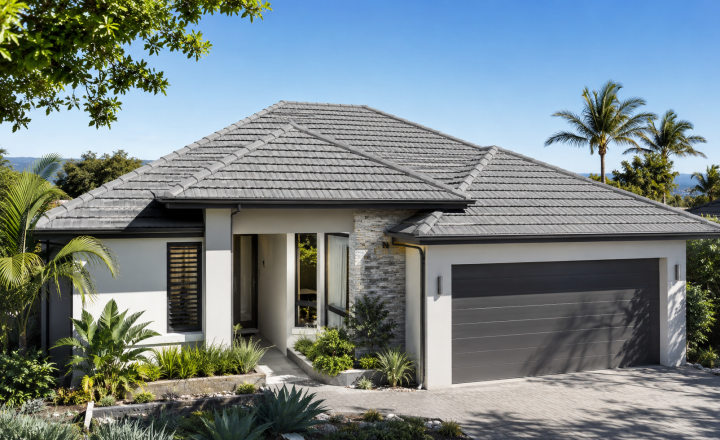
Stone coated steel roofing combines the strength of metal roofing with the classic appearance of traditional roof tiles. This makes it suitable for many export markets where customers want a roof that looks attractive, performs well in harsh weather, and offers long service life. In 2026, demand is expected to continue growing as buyers look for roofing products that provide better value over time.
One of the main reasons for rising demand is durability. Many countries face strong sunlight, heavy rain, humidity, wind, and coastal weather conditions. Stone coated steel roofing offers corrosion resistance, color stability, and strong weather protection, making it a practical choice for regions with challenging climates.
Lightweight design is another important advantage in export markets. Compared with clay tiles or concrete tiles, stone coated steel roofing is easier to transport, handle, and install. For importers and contractors, this can help reduce shipping pressure, improve installation efficiency, and support faster project delivery.
Energy efficiency is also becoming more important in 2026. In hot regions, roofing materials that help reduce heat absorption are increasingly attractive to homeowners and developers. Stone coated steel roofing, especially in suitable colors and with proper insulation, can help improve indoor comfort and reduce cooling pressure.
Demand is especially strong in markets where housing construction, renovation projects, and commercial development are active. Countries in Africa, the Middle East, South America, and Southeast Asia continue to show interest in roofing products that combine durability, modern appearance, and reasonable project cost. For these markets, stone coated steel roofing offers a good balance between performance and affordability.
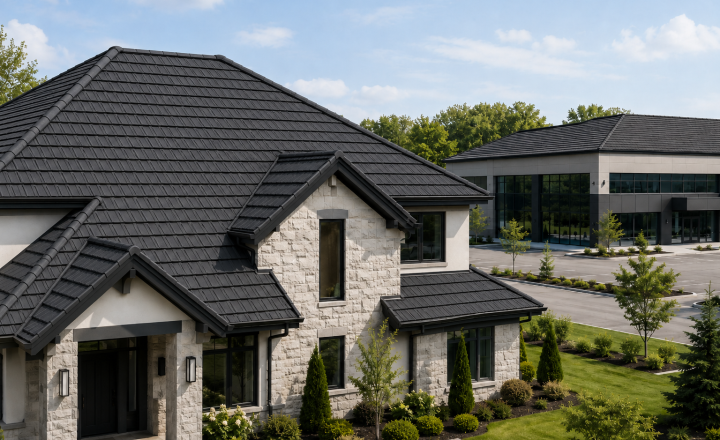
Commercial and industrial projects are also creating new opportunities. Hotels, schools, apartments, warehouses, office buildings, and public facilities need roofing materials that can withstand long-term use while maintaining a clean and professional appearance. Stone coated steel roofing can meet these requirements through different profiles, colors, and installation systems.
For distributors, product variety remains important. Popular options include bond tiles, shake tiles, shingle tiles, classic tiles, Roman tiles, and corrugated profiles. Different markets may prefer different roof styles and colors, so suppliers with a wide product range and stable quality will have stronger competitiveness.
Quality control will continue to be a key factor for export buyers in 2026. Importers are paying more attention to base steel quality, anti-corrosion coating, stone chip adhesion, tile shape accuracy, packaging strength, and factory inspection standards. Reliable quality can reduce after-sales problems and help distributors build long-term customer trust.
Although price remains important, many buyers are no longer choosing roofing materials only by the lowest initial cost. They are looking at total value, including service life, maintenance needs, installation efficiency, appearance, and climate performance. This trend gives stone coated steel roofing a stronger position in the export market.
Overall, the 2026 export market outlook for stone coated steel roofing remains positive. With growing demand for durable, lightweight, attractive, and cost-effective roofing materials, stone coated steel roofing is well positioned for residential, commercial, and industrial projects across multiple regions. For manufacturers and distributors, stable quality, flexible product options, and reliable delivery will be the key to winning more market share.